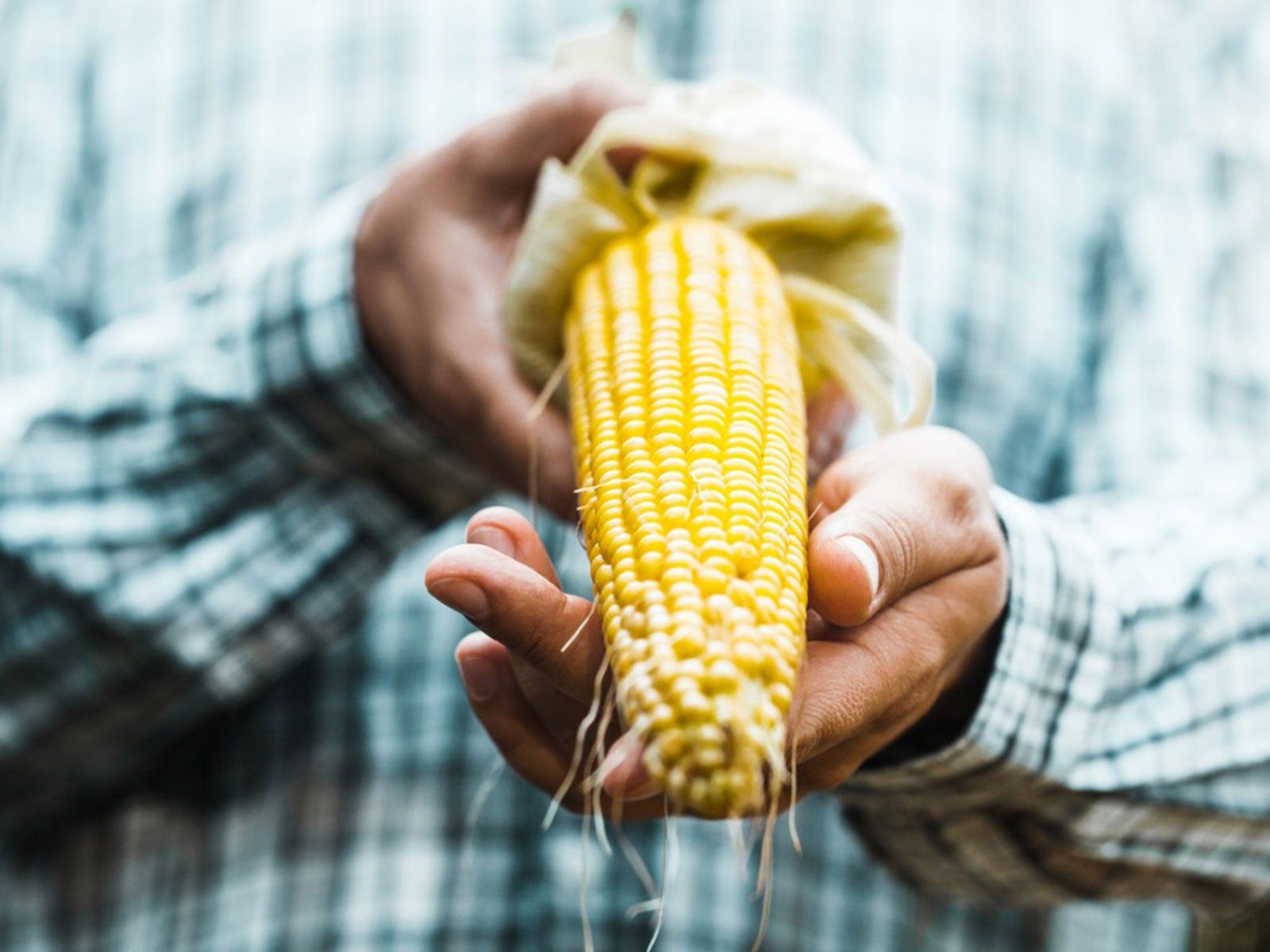
There's a special kind of magic that happens in a summer garden, and for many, the ultimate reward is a perfectly ripe ear of sweet corn. The vibrant green husks, the golden kernels, and that unmistakable burst of juicy sweetness are unmatched by anything from the grocery store. However, achieving this peak flavor isn't just about successful growing; it's crucially about knowing exactly when to pick corn from your garden. Harvesting at the precise moment of ripeness ensures your homegrown bounty is at its most tender and sweet, transforming a good meal into an extraordinary culinary experience.
The journey from a tiny seed to a towering stalk laden with ears seems to happen overnight in the right conditions. But how do you tell when those plump ears are truly ready for harvest? Picking corn too early can result in watery, underdeveloped kernels, while waiting too long means starchy, less flavorful cobs. Don't despair! By understanding a few simple, yet vital, indicators, you can confidently harvest your sweet corn at its absolute prime, making "picking corn in the garden" a moment of pure triumph.
The Sweet Science of Timing: Why Peak Sweetness Matters When Picking Corn
The quest for peak sweetness in corn is rooted in its biology. As corn kernels mature, they accumulate sugars. However, this sugar content is fleeting. After reaching its peak, the sugars rapidly convert into starches, causing the corn to lose its tenderness and characteristic sweetness. This window of optimal ripeness can be surprisingly short, sometimes only a few days, depending on weather conditions and corn variety.
Generally, most sweet corn varieties are ready for harvest approximately 18-24 days after the first silks appear, or about 75-100 days after planting. However, these are just general guidelines. Factors like local climate, daily temperatures, amount of sunlight, and consistent watering all play a significant role in how quickly your corn matures. A hotter, drier summer might speed up the ripening process, while cooler, wetter conditions can slow it down. This is why relying on visual and tactile cues, rather than just calendar dates, is essential for truly successful picking corn in the garden.
Key Visual Cues: Reading Your Corn's Signals
Before you even think about peeling back husks, your corn stalks will offer several strong visual clues that harvest time is approaching. Learning to interpret these signs will give you a significant advantage in timing your harvest.
Plump Ears: The First Obvious Sign
As the kernels inside each ear begin to fill out, the entire ear will swell and become noticeably plump. Instead of feeling slender and undeveloped, a mature ear will feel firm and full when gently squeezed through its husks. You should be able to discern the individual kernels pushing against the husks. It's a satisfying feeling, indicating that the kernels are developing properly and the cob is filling out nicely. If an ear feels soft or has significant gaps, it's likely not ready yet.
Silks: From White to Withered Brown
The silks, those fine threads protruding from the tip of each ear, are an invaluable indicator of ripeness. Initially, when the ear is forming and accepting pollen, the silks will appear light green or yellow and feel moist and sticky. As pollination completes and the kernels begin to mature, the silks will undergo a transformation. They will progressively darken, eventually turning a deep, dusty brown or black, and become dry and brittle to the touch.
This change in silk color is a strong signal that the corn is well on its way to maturity, often occurring, on average, about three weeks after their initial appearance. However, it's important to note that environmental factors like extreme heat, lack of water, or even pest activity can sometimes cause silks to brown prematurely. Therefore, while a critical sign, it's best not to rely solely on silk color. For more detailed insights into these vital signs, explore our guide on Signs Your Garden Corn is Ready: Don't Pick Too Early.
The Ultimate Test: The Milky Kernel Squeeze
While plump ears and brown silks offer excellent preliminary clues, the most reliable and time-tested method for confirming peak sweetness is the "milk stage" test. This involves a quick inspection of the kernels themselves to check the consistency of their internal liquid.
How to Perform the Squeeze Test
To perform the squeeze test, gently pull back a small section of the husk from the tip of one ear, just enough to expose a few kernels. Avoid tearing the husk completely off if the corn isn't ready, as you can fold it back over to allow further ripening. With your fingernail or a gentle squeeze, pop one of the exposed kernels.
- Clear, watery liquid: If the liquid that emerges is clear and runny, the corn is immature and needs more time to develop its sugars. Re-cover the ear and check again in a few days.
- Milky white liquid: This is the sweet spot! If the liquid is milky white and squirts out when you pinch the kernel, your corn is at its peak sweetness and perfectly ready for harvest. This is the "milk stage" every gardener aims for.
- Thick, pasty, or no liquid: If the liquid is thick and viscous, or if the kernel feels dry and starchy, the corn is past its prime. The sugars have converted to starches, and while still edible, it won't have that desirable sweet, tender quality.
This squeeze test is incredibly effective and gives you definitive proof of ripeness. It's a technique that veteran gardeners swear by and a crucial part of Garden Corn Harvest Tips: Ensure Sweetness with Squeeze Test. With practice, you’ll develop an instinct for which ears are likely ready, minimizing the need to test every single one.
Special Considerations for Harvesting Corn
Beyond the standard sweet corn, there are other types and techniques to consider when picking corn in the garden.
Harvesting Baby Corn
Baby corn, a delightful miniature version of a regular cob, is a delicacy often found in stir-fries and salads. Its charm lies entirely in its early harvest. Unlike sweet corn, which you wait for to plump up, baby corn is intentionally picked immature. It’s ready just a few days after the silks first appear – long before the kernels fully develop. To get a continuous supply of baby corn, you'll need to harvest frequently and consistently, selecting the smaller, undeveloped ears from the stalk. The taste of fresh, homegrown baby corn far surpasses its canned counterpart.
Harvesting Technique and Immediate Aftercare
Once you've confirmed an ear is ready for harvest, the actual picking is simple. Grasp the ear firmly and pull it downwards with a twisting motion, away from the stalk. It should snap cleanly off. Avoid yanking straight off or upwards, which can damage the stalk and potentially harm developing ears.
The clock starts ticking the moment you pick an ear of sweet corn. The sugars begin converting to starches almost immediately after harvest. For the absolute best flavor, plan to cook and eat your corn within 30 minutes of picking. If that's not possible, refrigerate it immediately, still in its husk, to slow down the sugar conversion process. Chilling can help preserve the sweetness for a few days, but nothing beats straight-from-the-garden-to-pot freshness.
Common Mistakes to Avoid When Picking Corn in the Garden
To ensure a bountiful and delicious harvest, be mindful of these common pitfalls:
- Picking Too Early: Impatience is the enemy of sweet corn. Underdeveloped kernels will be watery, bland, and lack the desired texture. Always perform the squeeze test if in doubt.
- Picking Too Late: Waiting too long leads to tough, starchy, and less flavorful corn. The magical window of peak sweetness is short.
- Damaging the Stalk: Be gentle when removing ears. A damaged stalk can reduce the yield from other developing ears or even kill the plant prematurely.
- Ignoring Environmental Clues: Don't just rely on calendar dates. Hot weather can accelerate ripening, so stay vigilant with your visual and milky stage checks.
Growing your own sweet corn is an incredibly rewarding endeavor, offering a taste experience that mass-produced options simply can't match. By paying close attention to the visual cues your plants provide and, most importantly, mastering the milky kernel squeeze test, you'll confidently know when to pick corn from your garden for peak sweetness. Armed with these tips, you're ready to enjoy the unparalleled joy of truly fresh, perfectly ripe sweet corn straight from your backyard.
